Creating Unique Ambiences in High-End Hotels
- pilotxtiana
- 6 days ago
- 4 min read
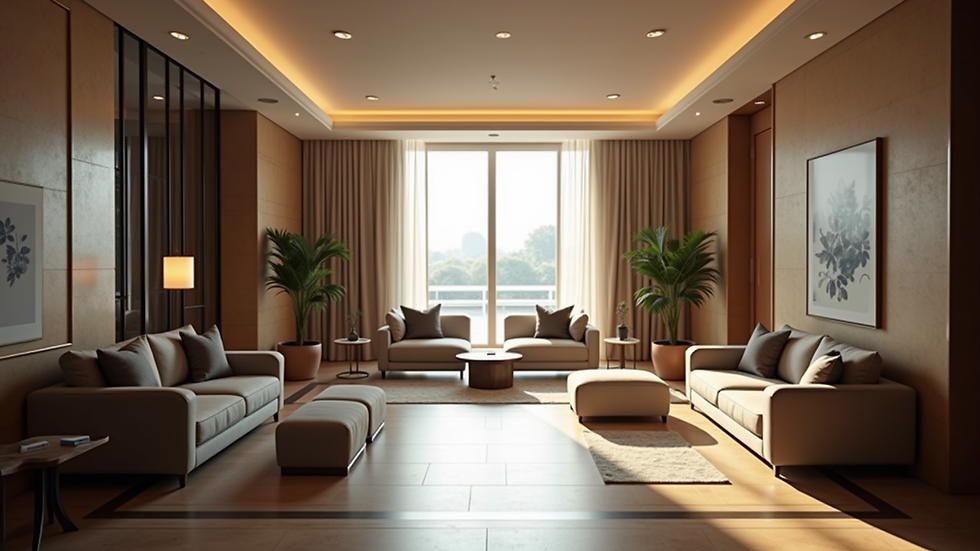
Creating a memorable experience in high-end hotels goes beyond luxurious amenities and exceptional service. The ambience plays a crucial role in shaping guests' perceptions and feelings during their stay. A well-crafted atmosphere can evoke emotions, enhance relaxation, and create lasting memories. In this blog post, we will explore various elements that contribute to unique ambiences in high-end hotels, providing practical examples and insights for hotel owners and designers.

The Importance of Ambience in Hospitality
Ambience is the overall atmosphere of a space, influenced by various factors such as lighting, color, sound, and scent. In the hospitality industry, creating a distinctive ambience is essential for several reasons:
Emotional Connection: A well-designed ambience can evoke positive emotions, making guests feel relaxed and welcomed.
Brand Identity: Unique ambiences help hotels differentiate themselves in a competitive market, reinforcing their brand identity.
Guest Experience: A carefully curated atmosphere enhances the overall guest experience, encouraging repeat visits and positive reviews.
Key Elements of Ambience
To create a unique ambience in high-end hotels, several key elements must be considered:
1. Lighting
Lighting sets the mood and can dramatically alter the perception of a space. Here are some strategies for effective lighting design:
Layered Lighting: Combine ambient, task, and accent lighting to create depth and interest. For example, use chandeliers for ambient lighting, table lamps for task lighting, and spotlights to highlight artwork.
Dimmable Options: Allow guests to adjust lighting levels according to their preferences. This flexibility can enhance comfort and relaxation.
Natural Light: Maximize natural light through large windows or skylights, creating a connection with the outdoors.
2. Color Palette
The color scheme of a hotel can influence guests' emotions and perceptions. Consider the following tips:
Warm Tones: Use warm colors like beige, gold, and soft reds to create a cozy and inviting atmosphere.
Cool Tones: Incorporate cool colors like blues and greens for a calming effect, ideal for spa areas or relaxation zones.
Accent Colors: Use bold accent colors sparingly to draw attention to specific areas or features without overwhelming the space.
3. Sound Design
Sound can significantly impact the guest experience. Here are ways to incorporate sound design:
Background Music: Curate playlists that align with the hotel's theme and target audience. For example, a luxury resort may feature soft instrumental music, while a trendy urban hotel might opt for contemporary beats.
Natural Sounds: Incorporate sounds from nature, such as water features or birdsong, to create a serene environment.
Soundproofing: Ensure that guest rooms are soundproofed to minimize noise from common areas, enhancing privacy and comfort.
4. Scent
Scent is a powerful tool for creating memorable experiences. Consider these strategies:
Signature Scents: Develop a unique scent that reflects the hotel's brand and use it in common areas. This can create a lasting impression and enhance brand recognition.
Natural Aromas: Use natural scents, such as essential oils or fresh flowers, to create a welcoming atmosphere.
Scent Marketing: Consider scent marketing strategies, such as diffusing pleasant fragrances in high-traffic areas to evoke positive emotions.
Creating Themed Ambiences
High-end hotels often adopt specific themes to create unique ambiences. Here are some examples:
1. Nature-Inspired Themes
Hotels can draw inspiration from their natural surroundings. For instance, a coastal hotel might incorporate marine elements, such as driftwood decor and ocean-inspired color palettes.
2. Cultural Themes
Incorporating local culture into the hotel's design can create a sense of place. For example, a hotel in a historic city might feature local artwork, traditional textiles, and architectural elements that reflect the area's heritage.
3. Modern Minimalism
A modern minimalist theme focuses on simplicity and functionality. This approach often features clean lines, neutral colors, and uncluttered spaces, creating a serene and sophisticated atmosphere.
Practical Examples of Unique Ambiences
To illustrate the concepts discussed, here are a few high-end hotels known for their unique ambiences:
1. The Four Seasons Resort Maui at Wailea
This luxury resort embraces its tropical surroundings with open-air spaces, natural materials, and a soothing color palette. The use of water features and lush landscaping creates a serene atmosphere, perfect for relaxation.
2. The NoMad Hotel, New York City
The NoMad Hotel combines classic European elegance with a modern twist. Rich colors, vintage furnishings, and curated artwork create a warm and inviting ambience that reflects the vibrant culture of New York City.
3. The Silo Hotel, Cape Town
Housed in a converted grain silo, this hotel features industrial design elements combined with luxurious finishes. The unique architecture and stunning views of Table Mountain create an unforgettable experience for guests.
The Role of Technology in Ambience
Technology can enhance the ambience of high-end hotels in various ways:
1. Smart Lighting Systems
Implementing smart lighting systems allows hotels to adjust lighting based on the time of day or specific events. This flexibility can create different moods throughout the day, enhancing the guest experience.
2. Sound Systems
High-quality sound systems can provide guests with personalized music experiences in their rooms or common areas. This technology can also be used for events, ensuring optimal sound quality for presentations or entertainment.
3. Scent Diffusers
Automated scent diffusers can maintain a consistent fragrance throughout the hotel, ensuring that guests are greeted with the signature scent upon arrival.
Conclusion
Creating unique ambiences in high-end hotels is an essential aspect of providing exceptional guest experiences. By carefully considering elements such as lighting, color, sound, and scent, hotel owners and designers can craft atmospheres that evoke emotions and leave lasting impressions. As the hospitality industry continues to evolve, embracing innovative design concepts and technology will be crucial in staying ahead of the competition.
To enhance your hotel's ambience, start by evaluating your current design and identifying areas for improvement. Whether it's through a fresh color palette, curated soundscapes, or signature scents, every detail counts in creating a memorable experience for your guests.

Comments