Enhancing Luxury Spaces with Human-Centered Design
- pilotxtiana
- 7 days ago
- 4 min read
Creating luxurious spaces is not just about opulence; it’s about crafting environments that resonate with the people who inhabit them. Human-centered design focuses on the needs, preferences, and experiences of individuals, ensuring that luxury spaces are not only aesthetically pleasing but also functional and welcoming. This blog post explores how human-centered design can enhance luxury spaces, providing practical insights and examples to inspire your next project.

Understanding Human-Centered Design
Human-centered design is a creative approach that prioritizes the needs and experiences of users. It involves understanding who will use a space, how they will interact with it, and what emotions they want to evoke. This approach is particularly relevant in luxury design, where the goal is to create an environment that feels exclusive yet comfortable.
Key Principles of Human-Centered Design
Empathy: Understanding the users' needs and emotions is crucial. Designers should engage with potential users to gather insights about their preferences and experiences.
Iterative Process: Human-centered design is not a one-time effort. It involves continuous feedback and refinement to ensure the space meets users' evolving needs.
Collaboration: Involving a diverse team of designers, architects, and stakeholders can lead to innovative solutions that cater to various perspectives.
Contextual Awareness: Recognizing the cultural, social, and environmental context of a space can significantly influence design decisions.
The Importance of Luxury Spaces
Luxury spaces serve as a reflection of personal style and status. They are often designed to provide comfort, exclusivity, and a sense of belonging. However, the definition of luxury is evolving. Today, it encompasses not only high-end materials and finishes but also the overall experience of the space.
Emotional Connection
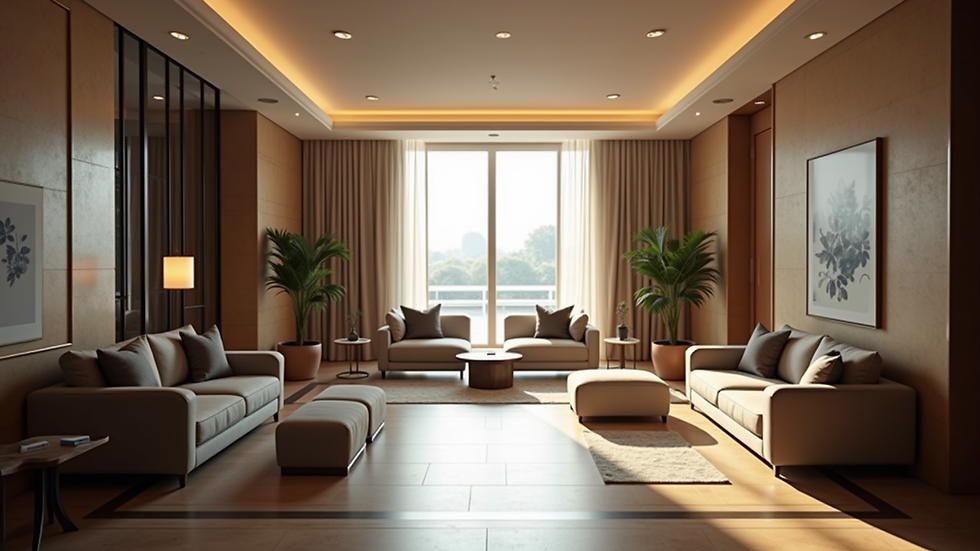
Luxury spaces should evoke emotions and create memorable experiences. For instance, a high-end hotel lobby designed with human-centered principles might incorporate comfortable seating arrangements, ambient lighting, and art that reflects local culture. This creates a welcoming atmosphere that encourages guests to linger and enjoy their surroundings.
Functionality Meets Aesthetics
While aesthetics are vital in luxury design, functionality should not be overlooked. A beautifully designed kitchen, for example, should not only look stunning but also facilitate ease of use. Incorporating ergonomic features, such as adjustable countertops and strategically placed appliances, can enhance the cooking experience while maintaining a luxurious feel.
Case Studies in Human-Centered Luxury Design
The Ritz-Carlton, Tokyo
The Ritz-Carlton in Tokyo exemplifies human-centered design in luxury hospitality. The hotel’s design incorporates elements that reflect Japanese culture while providing modern comforts.
Cultural Integration: The use of traditional Japanese materials, such as washi paper and tatami mats, creates a sense of place.
Guest Experience: The layout of the hotel encourages social interaction, with communal spaces designed for guests to connect and relax.
A Private Residence in California
A private residence in California showcases how human-centered design can transform a home into a luxurious retreat.
Natural Light: Large windows and open spaces allow natural light to flood the interiors, enhancing the mood and reducing reliance on artificial lighting.
Outdoor Connection: The design seamlessly integrates indoor and outdoor spaces, providing residents with a tranquil environment that promotes well-being.
Practical Tips for Implementing Human-Centered Design in Luxury Spaces
1. Conduct User Research
Before starting a design project, engage with potential users to understand their needs and preferences. Surveys, interviews, and focus groups can provide valuable insights that inform your design decisions.
2. Prioritize Comfort
In luxury spaces, comfort is paramount. Consider factors such as seating arrangements, acoustics, and temperature control to create an inviting atmosphere.
3. Use Quality Materials
Investing in high-quality materials not only enhances the aesthetic appeal but also contributes to the longevity of the space. Choose materials that feel good to the touch and are visually pleasing.
4. Incorporate Technology Thoughtfully
Technology can enhance the user experience in luxury spaces. Smart home systems, for example, can provide convenience while maintaining a sleek design. However, it’s essential to integrate technology in a way that does not detract from the overall aesthetic.
5. Create Flexible Spaces
Design spaces that can adapt to different needs. For instance, a luxury living room can feature modular furniture that allows for various seating arrangements, accommodating both intimate gatherings and larger events.
The Role of Sustainability in Luxury Design
Sustainability is becoming increasingly important in luxury design. Consumers are now looking for spaces that not only look good but also align with their values.
Eco-Friendly Materials
Using sustainable materials, such as reclaimed wood or recycled metals, can enhance the luxury appeal while minimizing environmental impact.
Energy Efficiency
Incorporating energy-efficient systems, such as solar panels and smart thermostats, can reduce energy consumption and lower utility costs, making luxury spaces more sustainable.
Conclusion
Enhancing luxury spaces with human-centered design is about creating environments that resonate with individuals on a personal level. By prioritizing user needs, integrating cultural elements, and focusing on comfort and functionality, designers can craft spaces that are not only beautiful but also meaningful. As the definition of luxury continues to evolve, embracing human-centered principles will ensure that these spaces remain relevant and desirable.
By implementing the insights shared in this post, you can create luxury environments that truly reflect the essence of human experience, making every moment spent in these spaces memorable and enriching.

Comments